
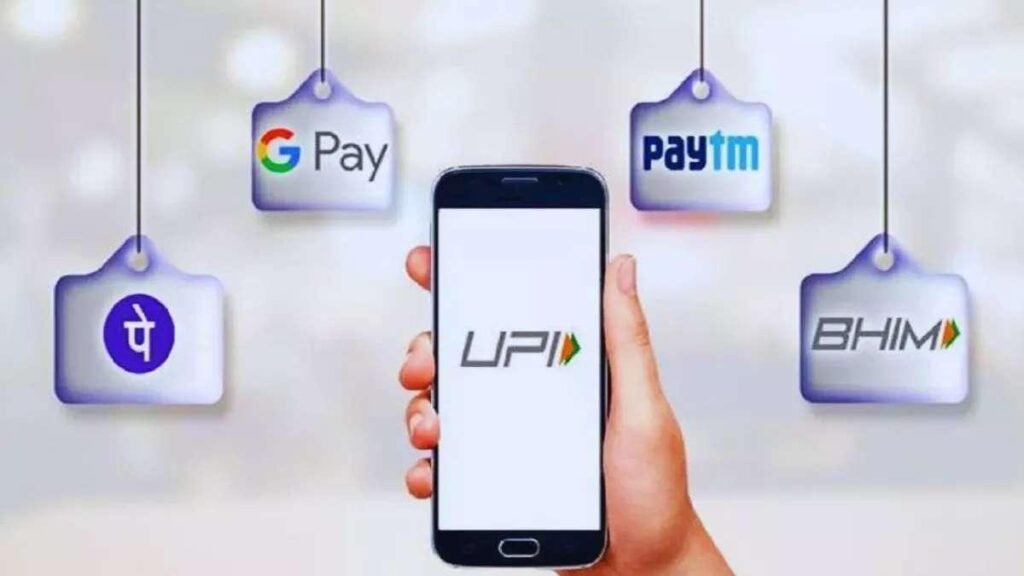
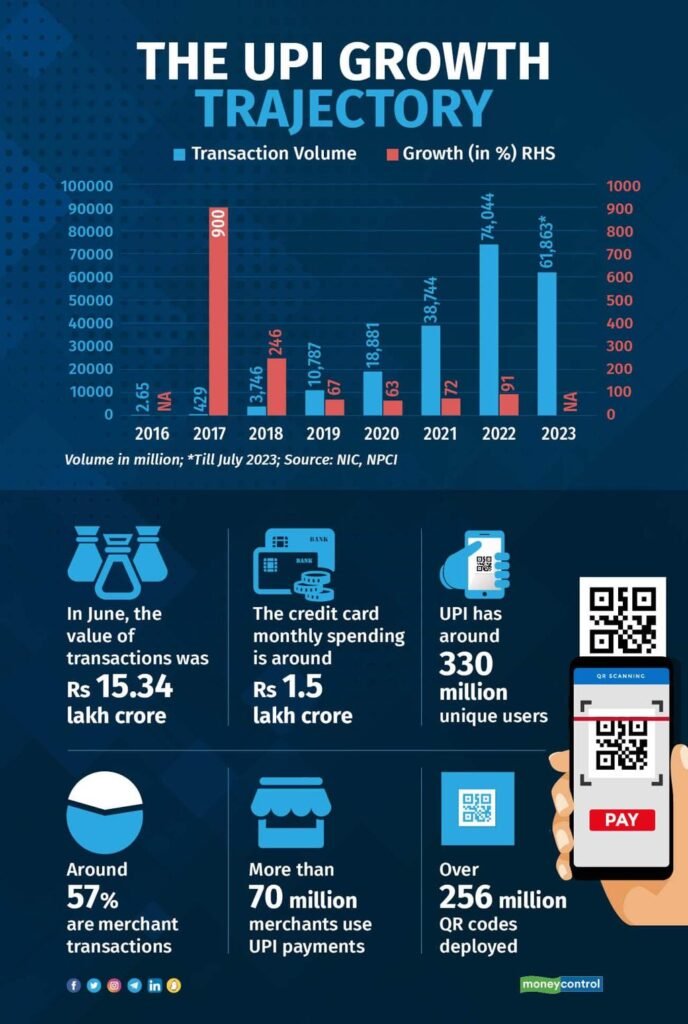
Digital payments in India have made the country one of the most cashless-payment-friendly economies in the world today. In less than a decade, India has transformed from a largely cash-driven economy into a digital payments powerhouse — and the numbers speak for themselves. In 2024 alone, India processed over 130 billion UPI transactions, making it the world’s largest real-time payments market.
For Arab visitors — whether you are a student enrolled in a university in Pune, a patient seeking medical care in Chennai, a tourist exploring the streets of Jaipur, or an investor closing deals in Mumbai — understanding how digital payments work in India is no longer optional. It is essential. Carrying large amounts of cash is inconvenient, sometimes risky, and increasingly unnecessary. A smartphone and the right apps can handle almost everything: from paying for an auto-rickshaw ride to settling a hospital bill.
This guide, written specifically for Arab audiences byYallahind, will walk you through every aspect of digital payments in India — what apps to use, how to get connected, how to receive and send money, and how to avoid the most common mistakes. Let us make your India experience smooth, safe, and smart.
Understanding India’s Digital Payment Ecosystem
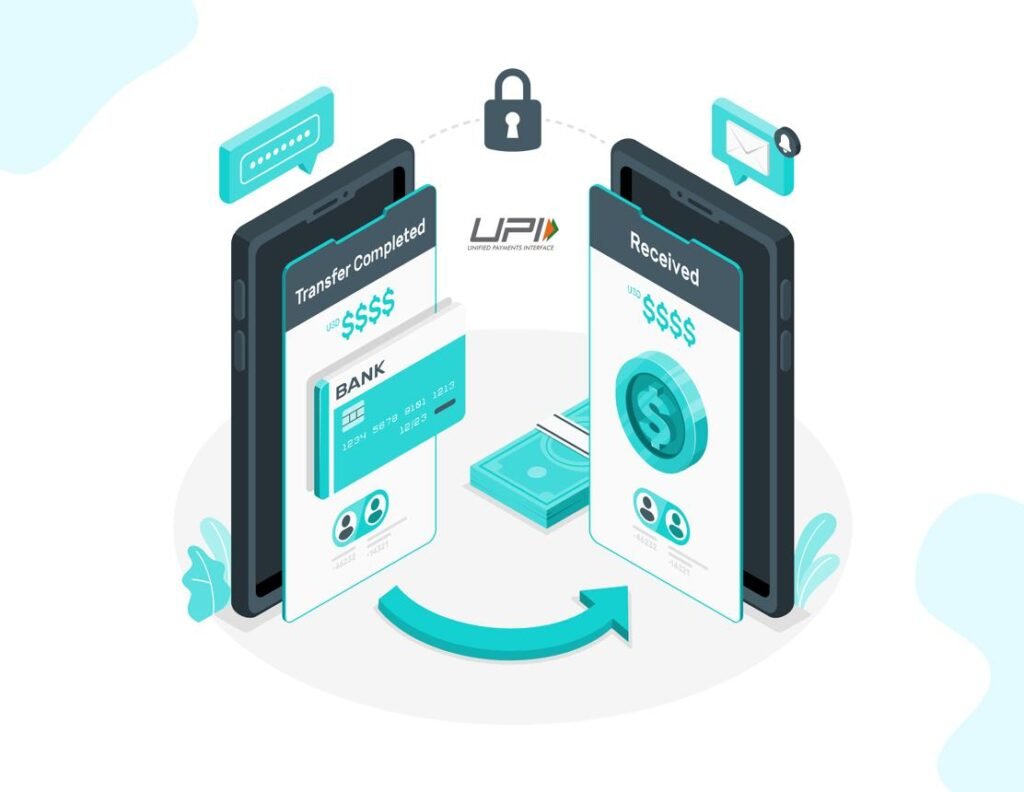
India’s digital payment revolution was largely driven by a government-backed system calledUPI — Unified Payments Interface. Launched in 2016, UPI is the backbone of almost all mobile payments in India. Think of it as a universal highway that connects your bank account to any merchant, friend, or service — instantly, 24/7, and mostly for free.
Unlike credit or debit card networks that charge merchants high fees, UPI transactions between individuals are free. This is why you will find it accepted everywhere — from luxury hotels to roadside tea stalls.
How UPI Works — Simply Explained
- You link your Indian bank account to a UPI app.
- You get a uniqueUPI ID(e.g., yourname@okaxis or yourname@ybl).
- To pay someone, you either scan their QR code, enter their UPI ID, or use their mobile number.
- The money moves from your bank to theirs in seconds — no waiting, no processing delays.
Top Digital Payment Apps in India: A Practical Comparison
Several apps operate on the UPI network. Each has its own features, design, and extra services. Here is a clear comparison to help you choose the right one for your situation.
Special Option: UPI for International Visitors
In 2023, India’s National Payments Corporation (NPCI) began expanding UPI access for international visitors. Travelers from several countries — including UAE, Saudi Arabia, Qatar, Bahrain, and Oman — can now useUPI One World, a prepaid wallet that does not require an Indian bank account. You load money onto it at designated exchange counters at major Indian airports and use it like a local.
- Available at airports in Delhi, Mumbai, Bengaluru, Chennai, Hyderabad, and Kolkata.
- Can be loaded with foreign currency (USD, EUR, AED, SAR, QAR, etc.).
- Works at any merchant that accepts UPI QR codes.
- Maximum wallet balance: ₹2,00,000 (approx. USD 2,400).
Getting a SIM Card in India: Your First Step to Connectivity
Before you can set up most digital payment apps, you need anIndian mobile number. Getting a local SIM card is the single most important step for any Arab visitor planning a stay of more than a few days in India. It unlocks nearly everything: UPI payments, hospital appointment apps, ride-hailing services like Ola and Uber, food delivery, and more.
Step-by-Step: How to Get an Indian SIM Card
- Choose a carrier:The three main options are Airtel, Jio, and Vi (Vodafone Idea). Jio and Airtel are the most reliable for 4G/5G coverage across India.
- Go to a carrier store or airport kiosk:Available at all major international airports immediately after customs.
- Bring your documents:You will need your original passport, a copy of your Indian visa, and one passport-size photograph.
- Choose a plan:Tourist SIM plans typically offer 28-day or 84-day validity with unlimited calls and 1–2 GB of data per day. Prices range from ₹300–₹600 (approx. USD 3.60–7.20).
- Wait for activation:SIM cards usually activate within 2–4 hours. Some airport SIM counters offer instant activation for tourists.
Best Plans for Arab Visitors (April 2026)
How to Send and Receive Money: Practical Options for Arab Visitors
Managing your finances while in India is straightforward once you know the right tools. Here are your main options depending on how long you are staying and what you need.
Option 1: International Bank Cards (Visa / Mastercard)
Your existing debit or credit card from your home country will work at ATMs and many hotels, hospitals, and shopping malls in India. However, watch out for:
- Foreign transaction fees (typically 2–3.5% per transaction).
- ATM withdrawal fees charged by Indian banks (₹150–250 per withdrawal).
- Dynamic currency conversion traps — always choose to pay inINR (Indian Rupees), not your home currency.
Option 2: Wise (TransferWise) or Revolut Cards
Many Arab visitors — especially students and long-term patients — useWiseorRevolutfor their India trip. These are multi-currency accounts that let you hold INR and convert money at near-real exchange rates, with very low fees. You can use the linked debit card at Indian ATMs and shops.
Option 3: International Money Transfers
If your family back home needs to send you money, or if you are paying a tuition fee or hospital deposit from abroad, the most cost-effective options are:
- Wise:Best exchange rates, transfer fees as low as 0.4–1%.
- Western Union / MoneyGram:Widely available but higher fees.
- Bank Wire (SWIFT):Reliable for large amounts (e.g., ₹5 lakh+), but can take 2–3 business days and incur fees of USD 20–40.
- UAE Exchange / Al Ansari Exchange:Popular among Arab expatriates, with competitive rates for INR transfers.
Paying for Common Services: A Practical Walkthrough

Transportation
Ride-hailing apps likeOlaandUberare essential in Indian cities. Both apps accept UPI payment, credit/debit cards, and even cash. For metro trains in cities like Delhi and Mumbai, you can use your international contactless card or buy a day pass at the station. QR-based ticketing is also widely available.
Food and Restaurants
Most restaurants in India accept UPI and cards. For food delivery,SwiggyandZomatoare the two dominant apps and accept international cards. Both apps have strong halal restaurant filters — simply type “halal” in the search bar.
🕌 Cultural Comfort: Halal Food & Muslim-Friendly India
India has a Muslim population of over 200 million, making halal food widely available. Cities like Hyderabad, Lucknow, Mumbai, and Kerala are especially well-equipped. On Swiggy and Zomato, look for restaurants labeled “halal-certified” or filter by “biryani” restaurants — a reliable indicator of halal availability. In smaller cities, search for “Muslim hotels” (a common Indian term for halal eateries).
Mosques (Masjids) are present in virtually every Indian city. Apps likeMuslim ProandAthanwork perfectly in India and will help you locate the nearest mosque and track prayer times throughout your visit.
Healthcare Payments
India’s top private hospitals — Apollo, Fortis, Manipal, Aster — all accept international credit cards, bank transfers, and UPI. Many have dedicated international patient desks with Arabic-speaking coordinators. For outpatient consultations, you can often pay via the hospital’s own app or website before your appointment.
Shopping
Large malls and chain stores accept international cards and UPI. In local bazaars and markets, cash is still king — but most stalls now have a UPI QR code displayed. Always carry a small amount of cash (₹500–₹1,000) as a backup.
Why This Matters for Arab Visitors, Students, Patients & Investors
Digital payments in India are not just a convenience — they are the difference between a stressful trip and a smooth one. Here is why understanding this system is specifically important for each Arab audience group:
- 🎓 Students:Managing monthly budgets, paying tuition installments, splitting accommodation costs, and buying books — all of this becomes effortless with the right payment setup. Indian universities often require payments through specific portals that work best with Indian UPI accounts.
- 🏥 Patients & Medical Companions:Hospital deposit payments, pharmacy purchases, diagnostic lab fees, and physiotherapy sessions all happen daily during medical travel. Having a frictionless payment system reduces stress during an already difficult time.
- ✈️ Tourists:From booking guided tours to tipping local guides, buying handicrafts, and paying for cultural experiences — digital payments make every interaction faster and safer. You avoid the risk of carrying large amounts of cash in unfamiliar places.
- 💼 Investors & Business Travelers:India’s digital payment infrastructure reflects the country’s broader economic modernization. Understanding it helps you evaluate business opportunities, assess fintech sectors, and operate more efficiently during deal-making trips. Many Indian startups accept investment onboarding through digital escrow and banking systems that integrate directly with UPI.
In short: knowing India’s digital payment landscape puts you in control. It saves you money, saves you time, and gives you the confidence to navigate India independently.
Tips, Warnings & Common Mistakes to Avoid
✅ Golden Tips
- Set up your payment methodbefore you leave the airport. Get your SIM card, activate UPI One World or your Indian bank account, and download PhonePe or Google Pay while you still have airport Wi-Fi.
- Always screenshot your UPI transaction confirmation. In case of a dispute, this is your proof of payment.
- Keep a record of your UPI ID and bank account details separately — not just on your phone.
- For large amounts (hospital deposits, university fees), useNEFT or RTGS bank transfersrather than UPI, which has a per-transaction limit of ₹1,00,000 (approx. USD 1,200).
- Useofficial hospital or university payment portalsrather than paying via third-party agents to avoid fraud.
❌ Common Mistakes to Avoid
- Mistake 1 — Relying only on cash:Some hospitals and government offices now have reduced cash handling. Assume you need digital access.
- Mistake 2 — Not informing your home bank:Before traveling, notify your UAE, Saudi, or Qatari bank that you will be using your card in India. Otherwise, international transactions may be blocked as suspicious.
- Mistake 3 — Falling for QR code scams:Scammers sometimes replace legitimate merchant QR codes with their own. Always verify the merchant name shown on screen before confirming payment.
- Mistake 4 — Accepting “screen share” help:A common fraud involves strangers offering to help set up your payment app while secretly accessing your account. Never share your OTP (one-time password) with anyone.
- Mistake 5 — Ignoring exchange rates:When paying with an international card, always choose to pay inINR. Choosing your home currency triggers dynamic conversion at unfavorable rates set by the merchant’s bank.
Frequently Asked Questions (FAQ)
Conclusion: Go Digital, Go Confident
Here is your expanded 750-word conclusion, maintaining your tone while making it more comprehensive and impactful:
Conclusion: Go Digital, Go Confident
India’s digital payment revolution stands as one of the most remarkable transformations in the country’s modern economic history. In less than a decade, India has moved from a predominantly cash-based society to a world leader in real-time digital transactions. For Arab visitors—whether students, patients, tourists, or business professionals—this transformation offers not just convenience, but a powerful tool to navigate the country efficiently and confidently. Embracing digital payments in India is no longer a matter of preference; it is an essential part of experiencing the country in a seamless and secure way.
From the moment you arrive in India, digital payments begin to shape your journey. Imagine landing in Chennai for medical treatment, where hospital deposits, pharmacy bills, and consultation fees can all be paid instantly through your smartphone. Or picture yourself as a student settling into life in Bangalore, managing rent, groceries, and daily expenses effortlessly through a UPI-enabled app. As a tourist walking through the vibrant markets of Jaipur, you can purchase handicrafts, pay for guided tours, and even tip local vendors without needing to handle cash. For business travelers in Mumbai, digital payments simplify everything from hotel bookings to client meetings and service transactions, allowing you to focus on opportunities rather than logistics.
The beauty of India’s digital payment ecosystem lies in its simplicity and universality. With just a smartphone, an internet connection, and the right applications, you can access a payment network that is accepted almost everywhere—from luxury establishments to small roadside vendors. This inclusivity is what sets India apart globally. The same QR code-based system works whether you are paying for a five-star hotel stay or a cup of tea at a street stall. It creates a unified financial experience that is both efficient and empowering.
Getting started is straightforward. The first and most important step is obtaining a local Indian SIM card, which serves as your gateway to the digital ecosystem. Once connected, you can set up a payment method suited to your needs. Short-term visitors can take advantage of UPI One World, a prepaid wallet designed specifically for international travelers, allowing you to make digital payments without opening an Indian bank account. For longer stays, linking an Indian bank account to apps such as PhonePe or Google Pay provides a more integrated experience. These apps are user-friendly, widely accepted, and designed to handle everything from peer-to-peer transfers to bill payments.
While digital payments offer unmatched convenience, it is also important to maintain a balanced approach. Keeping a small amount of cash as a backup is always advisable, particularly when traveling to remote areas or dealing with situations where digital infrastructure may be temporarily unavailable. However, in most urban and semi-urban areas, you will find that cash is becoming increasingly unnecessary, as digital transactions dominate everyday life.
Security is another key aspect to consider. India’s digital payment systems are built with strong safeguards, including two-factor authentication and encrypted transactions. Nevertheless, users must remain vigilant. Always verify the recipient’s details before confirming a payment, avoid sharing your OTP or PIN with anyone, and download apps only from official sources. By following these basic precautions, you can enjoy the benefits of digital payments with confidence and peace of mind.
Beyond convenience, India’s digital payment ecosystem reflects a broader narrative of innovation and economic modernization. It demonstrates how technology can bridge gaps, enhance financial inclusion, and create opportunities for both locals and international visitors. For Arab travelers, this system not only simplifies daily transactions but also provides insight into India’s rapidly evolving digital economy—an area of growing interest for investors and entrepreneurs.
Ultimately, adopting digital payments in India is about more than just making transactions; it is about unlocking a smoother, safer, and more enriching travel experience. It allows you to move through the country with the ease of a local while maintaining control over your finances. It reduces the stress associated with currency exchange, minimizes the risks of carrying cash, and enhances your ability to interact with services and businesses across the country.
Yallahind remains committed to guiding you through every stage of your journey in India. Whether you are exploring educational opportunities, seeking world-class healthcare, discovering cultural destinations, or pursuing business ventures, our platform is designed to provide you with reliable, practical, and culturally relevant insights. By staying informed and prepared, you can make the most of everything India has to offer.
In conclusion, the message is simple yet powerful: go digital, and go confident. Equip yourself with the right tools, understand the system, and embrace the opportunities that India’s digital transformation presents. With this knowledge, you are not just visiting India—you are experiencing it in the smartest and most efficient way possible.
Disclaimer: Information in this article is accurate as of April 2026. Exchange rates, app features, and government policies may change over time. Readers are advised to verify critical financial and regulatory details through official sources before making decisions.