
Orthopedic Treatment in Delhi.
Your Complete Guide to World-Class Bone & Joint Care in India’s Capital
A Comprehensive Guide for Arab & African Patients, Families & Medical Tourists
Topics: Joint Replacement • Spine Surgery • Trauma Care • Sports Injuries • Medical Tourism
Abstract
Orthopedic treatment in Delhi has emerged as one of India’s most sought-after medical specialties for both domestic and international patients. Delhi offers world-class joint replacement, spine surgery, trauma care, and sports injury services at a fraction of the cost found in Western countries, African countries or the Gulf region. This guide is written specifically for International patients, families, and medical tourists seeking affordable, high-quality bone and joint care in India’s capital city.
Keywords
Primary Keyword: orthopedic treatment in Delhi
Secondary Keywords: joint replacement surgery Delhi, spine surgery India, bone and joint hospital Delhi, orthopedic hospital for Arab patients, medical tourism India, knee replacement cost Delhi, AIIMS orthopedic department, Apollo Hospitals Delhi, Fortis Healthcare India, affordable orthopedic surgery India
1. Introduction: Why Delhi for Orthopedic Treatment?
If you or someone in your family is living with chronic joint pain, a spine condition, a sports injury, or the aftermath of an accident, you know how much it affects daily life. Finding the right treatment — at the right cost, with the right level of care — can feel overwhelming, especially when looking abroad.
For Arab patients from Saudi Arabia, the UAE, Kuwait, Qatar, Bahrain, Oman, Egypt, Iraq, Jordan, and across the wider Arab world, Delhi has quietly become one of the most trusted destinations for orthopedic care. Orthopedic Treatment in Delhi brings together internationally trained surgeons, cutting-edge hospital infrastructure, advanced surgical technology, and treatment costs that are a fraction of what patients would pay in Europe, the United States, or even many private facilities in the Gulf region.
This guide, prepared exclusively for the Yallahind.com audience, walks Arab patients through everything they need to know about orthopedic treatment in Delhi: from the types of services available and the hospitals that deliver them, to costs, visa procedures, cultural facilities, and practical tips for a safe and comfortable medical journey.
🌙 Why This Matters for Arab Visitors and Patients to get Orthopedic Treatment in Delhi
Arab patients choosing to travel to Delhi for orthopedic treatment are not taking a risk — they are making a well-informed, cost-effective, and clinically sound decision. Thousands of patients from the Arab world visit Delhi every year for knee replacements, hip replacements, spinal surgeries, and fracture repair, returning home with successful outcomes at dramatically lower costs than in their home countries or in Western medical tourism destinations such as Thailand or Turkey.
What makes this journey increasingly comfortable is that Delhi’s leading hospitals actively cater to Arab patients. Hygienic food is available in hospital cafeterias and nearby restaurants. Prayer rooms and Friday prayer facilities are accessible. Arabic-speaking patient coordinators and translators are employed at major international patient departments. The Indian-Arab connection — built on centuries of trade, the large Indian diaspora in the Gulf, and growing bilateral ties — means that cultural familiarity is built into the experience.
2. Purpose and Scope of This Article
This article provides Arab patients and their families with a practical, accurate, and culturally aware guide to orthopedic treatment in Delhi. It covers the major types of orthopedic care available, the leading hospitals and their strengths, a realistic understanding of costs, a step-by-step guide to planning a medical trip from an Arab country, cultural and religious facilities at Delhi hospitals, common questions and misconceptions, and a forward-looking view of Delhi as a global orthopedic hub.
The information is drawn from publicly available and verifiable sources including hospital websites, government health data, and established medical tourism frameworks. It is intended for informational purposes, and patients are encouraged to consult qualified medical professionals for individual assessments and treatment plans.
3. Key Concepts: Understanding Orthopedic Care
What is Orthopedics?
Orthopedics (also spelled orthopaedics) is the branch of medicine focused on the prevention, diagnosis, and treatment of conditions affecting the musculoskeletal system — your bones, joints, muscles, tendons, and ligaments. Orthopedic surgeons treat everything from arthritis and sports injuries to spinal disorders, fractures, and congenital bone conditions.
What is Joint Replacement Surgery?
Joint replacement surgery involves removing a damaged joint, typically a knee or hip, and replacing it with an artificial implant made of metal, ceramic, or plastic components. It is one of the most common and successful elective surgeries in the world, with high satisfaction rates among patients who experience chronic pain and reduced mobility from arthritis or injury.
What is Spine Surgery?
Spine surgery addresses conditions affecting the vertebral column, including herniated discs (a common cause of back and leg pain), spinal stenosis (narrowing of the spinal canal), scoliosis (abnormal curvature of the spine), and degenerative disc disease. Advances in minimally invasive surgical techniques have significantly improved recovery times and patient outcomes.
What is Trauma Care in Orthopedics?
Orthopedic trauma care addresses injuries to the musculoskeletal system resulting from accidents, falls, or other physical events. This includes fracture fixation, joint reconstruction after injury, and emergency surgical stabilisation of complex fractures. Delhi’s major hospitals maintain round-the-clock trauma centres equipped for the most complex cases.
What is Sports Injury Management?
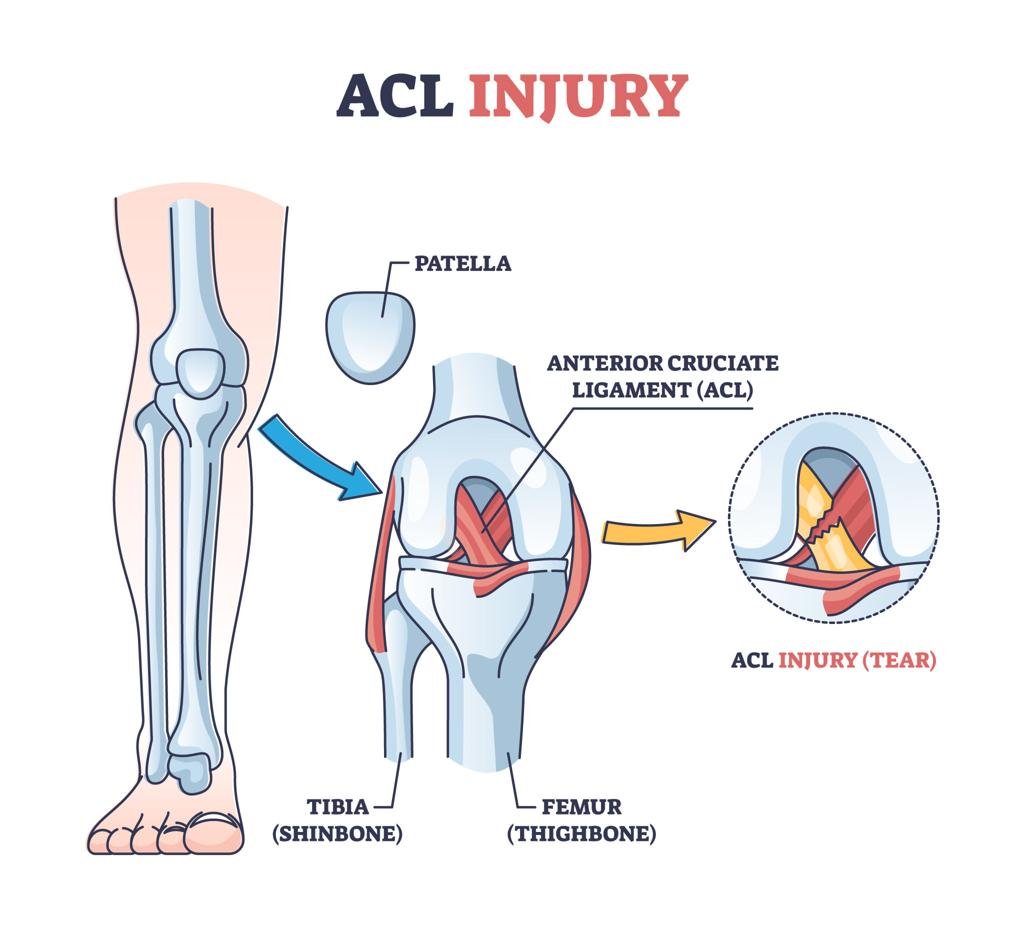
Sports injury management covers the diagnosis and treatment of injuries sustained during athletic activities, including ligament tears (such as ACL injuries in the knee), rotator cuff tears in the shoulder, stress fractures, and tendon injuries. Treatment ranges from physiotherapy and injection therapy to arthroscopic (keyhole) surgical procedures.
4. Leading Hospitals for Orthopedic Treatment in Delhi
Delhi is home to some of India’s most distinguished orthopedic facilities, ranging from government-funded institutes of national importance to world-class private hospital networks accredited by international quality bodies. Below is an overview of the institutions that Arab patients most frequently choose.
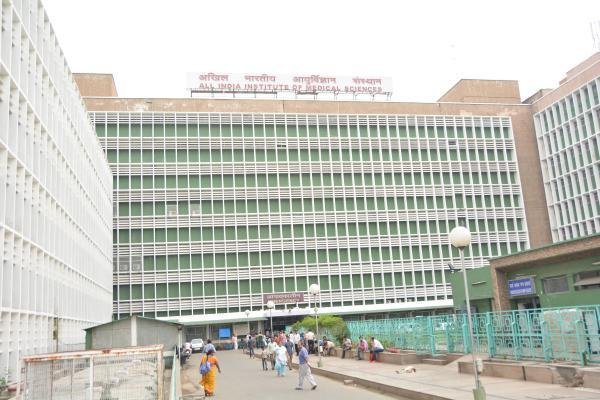
4.1 All India Institute of Medical Sciences (AIIMS), New Delhi
AIIMS New Delhi is India’s foremost medical institution, consistently ranked at the top of national medical rankings. Its Department of Orthopaedics is one of the largest and most respected in Asia, offering the full range of orthopedic services from primary joint replacement to highly complex revision surgeries, pediatric orthopedics, and spinal reconstruction. AIIMS is a government institution and therefore significantly more affordable than private facilities, though wait times for elective procedures can be longer.
AIIMS attracts patients from across South Asia and beyond for complex cases that may not be manageable elsewhere. Its faculty includes surgeons who have trained at leading institutions in the United States, United Kingdom, and Europe, and who contribute to international peer-reviewed research. For Arab patients whose cases involve complexity or rarity, AIIMS represents one of the world’s genuinely outstanding options.
✅ AIIMS has a dedicated international patient facilitation office. Arab patients can contact them in advance to obtain medical opinions and plan their visit.
4.2 Apollo Hospitals, Delhi
Apollo Hospitals, founded in 1983, is one of Asia’s largest private hospital networks and a pioneer of medical tourism in India. Apollo Delhi, located in Sarita Vihar, is a JCI-accredited (Joint Commission International) facility — the gold standard for international hospital quality — offering comprehensive orthopedic services with a particular strength in joint replacement and spine surgery.
Apollo’s International Patient Services division is highly experienced in assisting Arab patients. The division provides services including medical opinion before travel, visa invitation letters, airport transfers, accommodation arrangements for accompanying family members, Arabic-speaking patient coordinators, hygienic meal options, and help with insurance paperwork. Apollo’s implant partnerships with global brands including Zimmer Biomet, Stryker, and DePuy ensure that the same quality components used in American or European hospitals are available in Delhi.
✅ Apollo Hospitals is JCI-accredited, meaning its quality and safety standards meet international benchmarks independently verified by a US-based accreditation body.
4.3 Fortis Healthcare, Delhi
Fortis Healthcare operates multiple hospitals across Delhi and the National Capital Region, with Fortis Memorial Research Institute in Gurugram (adjacent to Delhi) and Fortis Escorts Heart Institute being among the most recognised. Fortis has a well-established orthopedic division offering joint replacement, spine surgery, sports medicine, and hand and microsurgery. Its hospitals are NABH-accredited (National Accreditation Board for Hospitals and Healthcare Providers), India’s national quality standard.
Fortis’s international patient department provides comprehensive support for Arab patients, including pre-travel medical consultations, accommodation coordination, and post-operative rehabilitation planning. The hospital’s modern physiotherapy and rehabilitation facilities are a particular strength for patients who require extended recovery support.
4.4 Max Healthcare, Delhi
Max Super Speciality Hospital, with facilities across Delhi including in Saket and Patparganj, is another highly regarded option. Max’s orthopedic department has a strong reputation for minimally invasive joint replacement techniques that significantly reduce blood loss, post-operative pain, and recovery time. The hospital is JCI-accredited and maintains a dedicated international patient services team.
4.5 Medanta — The Medicity, Gurugram
While technically located in Gurugram (formerly Gurgaon), a city that directly adjoins Delhi, Medanta is one of India’s largest and most technologically advanced hospitals and serves a large volume of international patients. Founded by Dr Naresh Trehan, one of India’s most distinguished cardiac and orthopedic surgeons, Medanta’s orthopedic department includes specialists in robotic joint replacement, complex spine surgery, and sports medicine. The hospital has an active international patient programme with experience serving Arab patients.
5. Key Orthopedic Services Available in Delhi
5.1 Joint Replacement Surgery
Knee Replacement
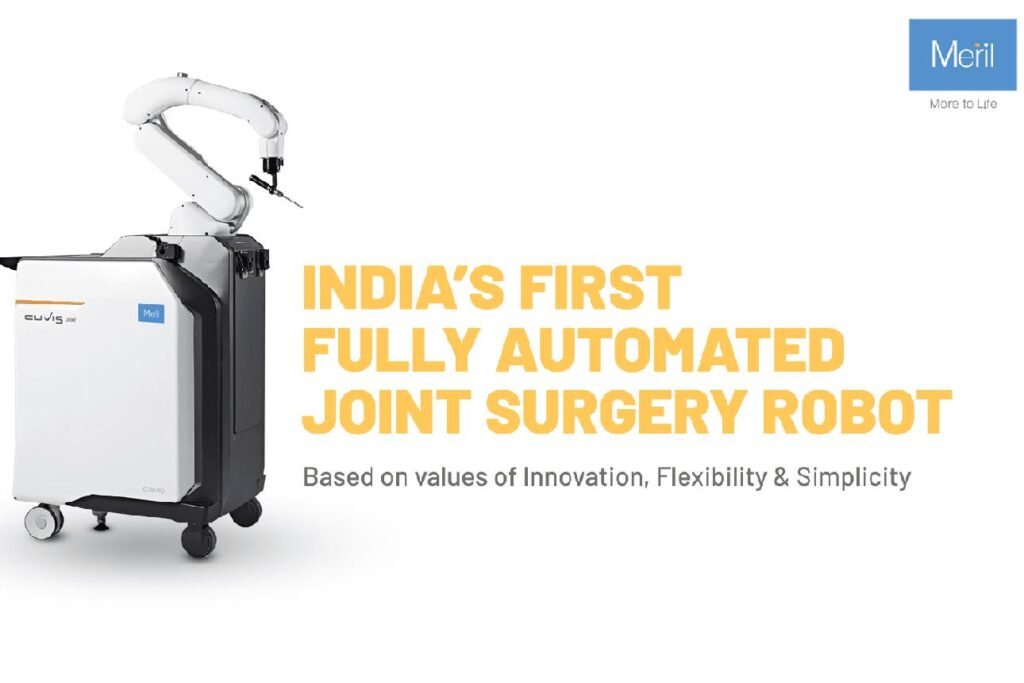
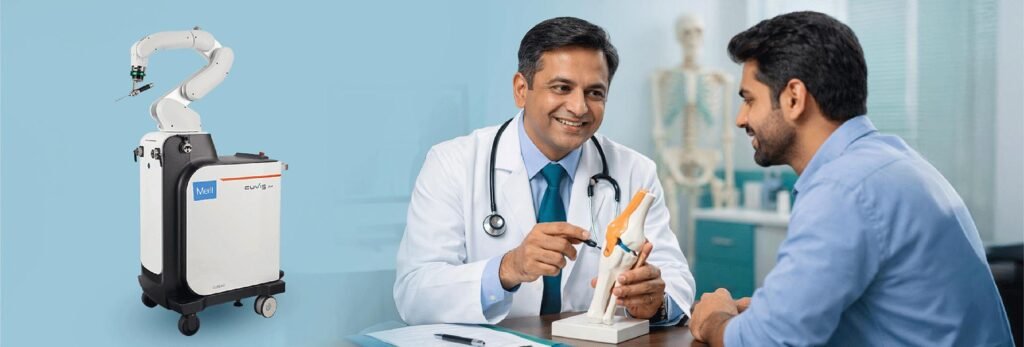
Total knee replacement is the most commonly performed joint replacement surgery in Delhi. It is indicated for severe osteoarthritis or post-traumatic arthritis of the knee joint. Delhi hospitals offer both conventional and robotic-assisted knee replacement, with robotic systems including MAKO (Stryker) providing enhanced precision in implant placement and alignment. Patients typically require 3-5 days of hospitalisation and 6-8 weeks of physiotherapy for full rehabilitation.
Hip Replacement
Total hip replacement addresses arthritis, avascular necrosis (bone death due to disrupted blood supply), or post-fracture damage to the hip joint. Delhi surgeons have extensive experience with both cemented and uncemented implant systems, and with minimally invasive approaches that reduce surgical trauma and accelerate recovery.
Shoulder Replacement
Shoulder replacement surgery, including total shoulder replacement and reverse shoulder replacement for complex cases, is available at Delhi’s leading hospitals. It is indicated for severe arthritis of the shoulder joint or for certain rotator cuff conditions that have not responded to other treatments.
5.2 Spine Surgery
Delhi’s orthopedic spine surgeons are experienced in the full range of spinal procedures, including discectomy (removal of herniated disc material), spinal fusion (joining two or more vertebrae to stabilise the spine), laminectomy (decompression of the spinal canal), and complex deformity correction. Minimally invasive spinal surgery, which uses small incisions and specialised instruments, is widely available and reduces hospital stay and recovery time compared to conventional open procedures.
5.3 Trauma and Fracture Care
Delhi hospitals manage thousands of trauma cases annually, ranging from simple fractures to complex polytrauma. Facilities including AIIMS and Apollo maintain dedicated trauma centres with 24-hour availability of orthopedic trauma surgeons, operating theatres, and imaging facilities. Advanced fixation techniques including intramedullary nailing, plate osteosynthesis, and external fixation are routinely employed.
5.4 Sports Injury Management
Delhi’s sports medicine and orthopedic departments offer comprehensive management of sports-related injuries. Arthroscopic surgery for ACL (anterior cruciate ligament) reconstruction, meniscal repair, and shoulder stabilisation is routinely performed. The city hosts the national teams of several Indian sports disciplines and has correspondingly developed high-level sports medicine expertise. Physiotherapy, biomechanical assessment, and return-to-sport programmes are integrated into patient care.
5.5 Pediatric Orthopedics
AIIMS and several private hospitals in Delhi maintain dedicated pediatric orthopedic units that address conditions including congenital hip dysplasia, clubfoot, limb length discrepancy, scoliosis in children and adolescents, and bone infections. For Arab families with children requiring orthopedic care, Delhi’s pediatric specialists offer expertise that is comparable to leading children’s hospitals internationally.
6. Cost of Orthopedic Treatment in Delhi: A Comparison
One of the most compelling reasons Arab patients choose Delhi for orthopedic treatment is the significant cost advantage compared to other medical tourism destinations and to private healthcare in Gulf countries. The following approximate figures are illustrative benchmarks based on publicly available hospital cost estimates; actual costs vary by hospital, surgeon, implant type, and patient complexity.
Approximate Cost Comparison (USD Equivalent)
Total Knee Replacement
- Delhi (private hospital, international implant): $5,000 – $8,000
- United States: $30,000 – $50,000
- United Kingdom: $15,000 – $25,000
- UAE (private): $12,000 – $20,000
- Thailand: $8,000 – $14,000
Spinal Fusion Surgery (single level)
- Delhi (private hospital): $4,000 – $9,000
- United States: $25,000 – $60,000
- UAE (private): $15,000 – $30,000
Hip Replacement
- Delhi (private hospital, international implant): $5,500 – $8,500
- United States: $25,000 – $45,000
- UAE (private): $12,000 – $22,000
⚠️ These are approximate ranges for planning purposes only. Always request a detailed cost estimate from the hospital’s international patient department before making travel arrangements. The estimate should itemise surgeon fees, implant costs, anaesthesia, hospitalisation, and physiotherapy.
7. Advanced Technology and Surgical Innovation in Delhi
A common concern among patients considering medical travel is whether the technology and surgical standards available abroad will be comparable to what they are used to at home. In the case of Delhi’s leading orthopedic hospitals, this concern can be firmly addressed: the technology available at JCI-accredited and NABH-accredited Delhi hospitals is genuinely world-class.
Robotic-Assisted Joint Replacement
Robotic platforms including the MAKO Robotic-Arm Assisted Surgery system (Stryker) are available at multiple Delhi hospitals including Apollo and Medanta. Robotic assistance allows surgeons to pre-plan implant positioning using a 3D CT-based model of the patient’s individual joint anatomy and to execute the plan with real-time haptic feedback during surgery, reducing the risk of malalignment and improving the durability of implant function.
Navigation Systems for Spine Surgery
Computer-assisted navigation for spinal procedures, including O-arm imaging systems that provide intraoperative CT-quality images, allows surgeons to place implants with exceptional accuracy during spinal fusion and deformity correction procedures. This technology, standard at major academic and private hospitals in Delhi, reduces the risk of implant malposition and associated complications.
Minimally Invasive Techniques
Minimally invasive approaches to both joint replacement and spine surgery reduce surgical incision size, blood loss, post-operative pain, and hospital stay. Delhi’s experienced orthopedic surgeons are trained in these techniques, which have become the standard of care for appropriate candidates at leading hospitals.
International Implant Brands
The orthopedic implant systems used in Delhi’s leading hospitals are the same brands used in American and European hospitals: Zimmer Biomet, Stryker, DePuy Synthes (Johnson & Johnson), and Smith & Nephew. Arab patients can therefore be confident that their implants carry the same quality certifications and engineering standards as those used in any major Western medical centre.
8. Step-by-Step Guide: Planning Your Orthopedic Trip from an Arab Country
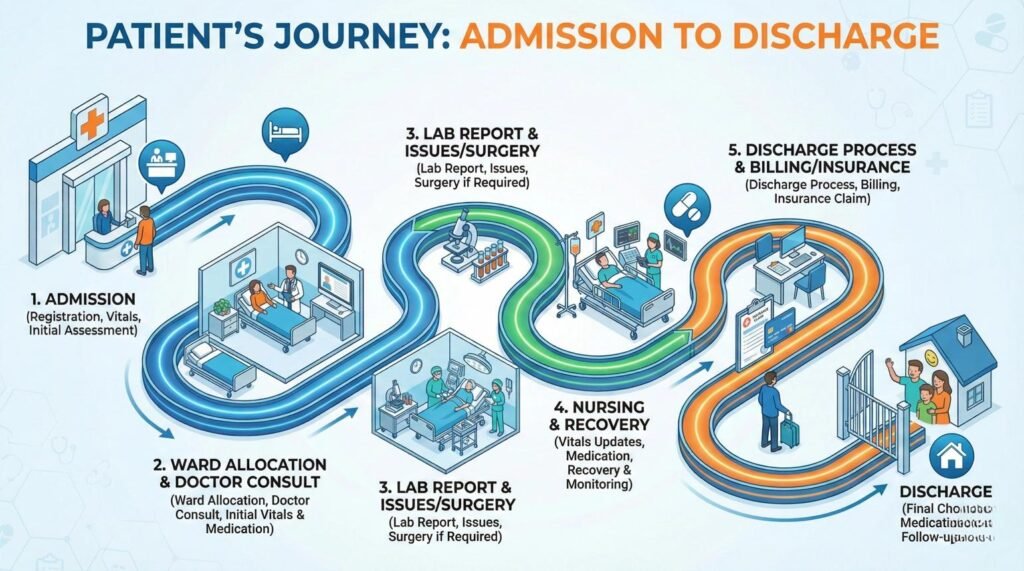
Planning a medical trip to Delhi from an Arab country is straightforward when approached systematically. Below is a practical step-by-step guide developed specifically for Yallahind.com readers.
Step 1: Gather Your Medical Records
Before reaching out to any Delhi hospital, compile your existing medical documentation: X-rays, MRI or CT scan reports, blood test results, a summary from your current doctor, and any relevant surgical history. Digital copies in PDF or DICOM format are ideal for sending electronically.
Step 2: Request a Medical Opinion (Online Consultation)
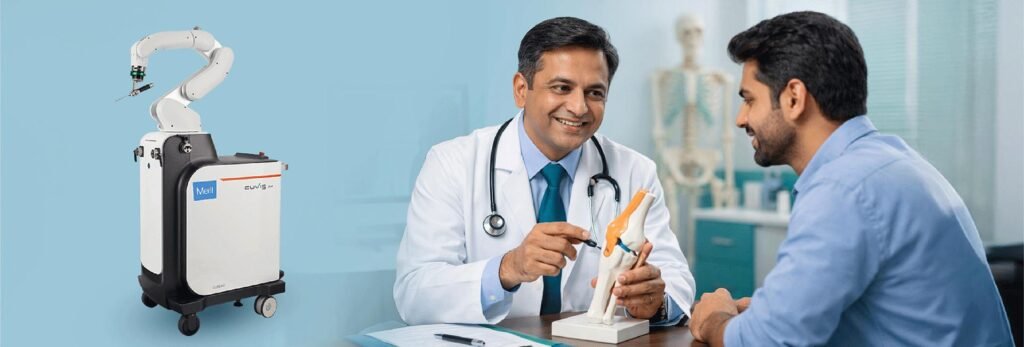
All major Delhi hospitals including Apollo, Fortis, Max, and Medanta offer online medical opinion services through their international patient departments. Submit your records electronically; the hospital’s orthopedic team will review them and provide a written opinion including a recommended treatment plan and an itemised cost estimate. This service is typically free or carries a nominal fee.
✅ When contacting the international patient department, state clearly that you are an Arabic-speaking patient and request an Arabic-speaking coordinator. Major Delhi hospitals can accommodate this.
Step 3: Confirm Your Treatment Plan and Dates
Once you have received the medical opinion and cost estimate, confirm your preferred admission date with the international patient department. They will issue a formal appointment confirmation and, where needed, a medical visa invitation letter for your embassy or consulate application.
Step 4: Apply for an Indian Medical Visa
Arab nationals travelling to India for medical treatment should apply for an Indian Medical Visa (M-Visa) rather than a tourist visa. The M-Visa is specifically designed for medical patients and allows for a longer stay (typically up to one year) with the possibility of extension. The M-Visa also permits one accompanying attendant (a family member) on a Medical Attendant Visa (MX-Visa). Applications are processed through the Indian Embassy or High Commission in your country, or through the e-Visa portal for eligible nationalities.
⚠️ Apply for your Medical Visa as early as possible — at least four to six weeks before your planned travel date. Have your hospital appointment letter, passport, photographs, and financial documentation ready when applying.
Step 5: Arrange Travel and Accommodation
Delhi is served by Indira Gandhi International Airport (IATA code: DEL), one of South Asia’s busiest international airports, with direct and one-stop connections from all major Arab cities including Dubai, Abu Dhabi, Riyadh, Jeddah, Kuwait City, Doha, Muscat, Cairo, and Amman. Most major Delhi hospitals offer complimentary airport pick-up for international patients; confirm this with your international patient coordinator.
Accommodation for accompanying family members is available in serviced apartments and hotels near the hospital. Many hospitals have tie-ups with nearby accommodation providers at negotiated rates. If you have dietary requirements, confirm hygienic food availability at the hospital and nearby restaurants in advance.
Step 6: Pre-Operative Assessment and Surgery
On arrival in Delhi, you will be scheduled for pre-operative medical assessments including blood tests, an ECG (heart tracing), and a review with the anaesthesia team before your procedure. Your surgeon will conduct a final clinical examination and review your imaging before confirming the surgical plan. Surgery typically takes place within 24-72 hours of arrival, depending on your preparation and scheduling.
Step 7: Post-Operative Recovery and Rehabilitation
Following surgery, physiotherapy begins early — often the day after joint replacement surgery — to facilitate recovery and prevent complications. Discharge from hospital for a standard total knee replacement is typically 3-5 days after the procedure. You will then require a period of outpatient physiotherapy (provided by the hospital or a partner rehabilitation centre) before you are cleared to travel home. Plan for a total Delhi stay of approximately 2-3 weeks for most orthopedic procedures, including the pre-operative and post-operative periods.
Step 8: Follow-Up and Home Care
Before discharge, the hospital will provide detailed written instructions for wound care, physiotherapy exercises, and activity restrictions. Follow-up consultations can often be conducted via telemedicine with your Delhi surgeon after you return home, with your local physician managing day-to-day post-operative care. Keep all discharge papers, implant records, and imaging reports for future reference.
9. Cultural Comfort for Arab Patients in Delhi
For Arab patients travelling to India, cultural and religious comfort is as important as clinical quality. Delhi has developed a genuinely welcoming environment for Muslim and Arab patients that makes the experience significantly more comfortable than many might initially expect.
🌙 Delhi’s Old City area near Jama Masjid — one of South Asia’s largest mosques — is just a short drive from most major hospitals and offers an environment that many Arab patients find culturally familiar and comfortable.
Prayer Facilities
Most major Delhi hospitals have prayer rooms (mushalla) available for Muslim patients and accompanying family members. Jama Masjid, one of the largest mosques in Asia, is accessible from central Delhi. Delhi also has numerous neighbourhood mosques (masjids) within easy reach of hospital-adjacent accommodation. Prayer times are respected within hospital schedules, and nursing staff are generally sensitive to Muslim patients’ religious practices.
Arabic Language Support
Apollo Hospitals, Fortis, and Medanta all employ Arabic-speaking patient coordinators in their international patient departments. Translation services are available for medical consultations and documentation. While not every hospital staff member will speak Arabic, your designated international patient coordinator will serve as a consistent point of contact throughout your stay.
Safety and Family-Friendliness
Delhi is a large, cosmopolitan city and is generally safe for international visitors, particularly within the modern hospital campuses and adjacent residential and hotel areas. Areas such as South Delhi, Gurugram (Gurgaon), and Noida — where most international-patient hospitals are located — are orderly, modern environments. Standard urban safety precautions apply, and hospital staff and international patient departments are available to advise on safe local practices.
Climate Considerations
Delhi experiences significant seasonal variation. The most comfortable months for Arab visitors are October through March, when temperatures are cool and pleasant (typically 10-25 degrees Celsius). April through June can be very hot (exceeding 40 degrees Celsius), and the monsoon season (July-September) brings humidity and rain. If you have the flexibility to schedule your visit, the October-March window is the most comfortable.
10. Key Stakeholders in Delhi’s Orthopedic Ecosystem
Government Institutions
AIIMS New Delhi, operated by the Government of India as an Institute of National Importance, and Safdarjung Hospital, one of Asia’s largest public hospitals, represent the public sector pillar of Delhi’s orthopedic ecosystem. These institutions provide highly subsidised care to Indian nationals and are also accessible to international patients through their international patient offices.
Private Hospital Networks
Apollo Hospitals Group, Fortis Healthcare, Max Healthcare, and Medanta operate the premium private orthopedic services that attract the majority of international patients. These groups are listed on Indian stock exchanges and subject to regulatory oversight, providing a degree of institutional accountability.
Medical Tourism Facilitators
Numerous accredited medical tourism facilitators operate between Arab countries and Delhi hospitals, assisting patients with hospital selection, appointment scheduling, visa support, travel logistics, and ground support during the visit. Yallahind.com serves as a key information and connection platform for Arab audiences seeking access to Indian healthcare, education, and business opportunities.
India’s Ministry of Health and Ministry of Tourism
The Government of India actively promotes medical tourism through the ‘Heal in India’ initiative under the Ministry of Tourism, which provides a coordinated framework for international patient services including facilitated visa processing, hospital quality accreditation, and promotion of India as a global health destination. This institutional support reinforces the professional standards and international patient infrastructure available in Delhi.
11. Patient Outcomes and Delhi’s Growing Reputation
Delhi’s orthopedic hospitals report clinical outcomes for major procedures that are comparable to international benchmarks. For total knee replacement, patient satisfaction rates at JCI-accredited Delhi hospitals consistently exceed 90 percent in post-operative surveys, consistent with outcomes reported in American and European series. Infection rates, implant survival rates, and revision surgery rates at established Delhi centres are within the range of outcomes published by major international institutions.
The volume of procedures performed at Delhi’s major orthopedic centres is itself a quality indicator. Surgical skill and institutional efficiency in complex procedures improve with volume, and Delhi hospitals performing hundreds or thousands of joint replacements annually have accumulated the experience base that underpins consistently good outcomes. Dr Vijay Bose, one of India’s most internationally recognised hip replacement surgeons (based in Chennai but reflecting the broader Indian orthopedic quality landscape), and Delhi-based surgeons trained at international centres have contributed to the peer-reviewed literature that documents Indian orthopedic outcomes.
Note: Patients are encouraged to ask hospitals directly for their procedure-specific outcome data, infection rates, and revision rates as part of their decision-making process. Reputable hospitals will provide this information transparently.
12. Challenges and Practical Considerations
Wait Times at Government Institutions
AIIMS and other government hospitals, while offering outstanding clinical quality at very low cost, experience high patient volumes that can result in longer wait times for elective procedures. Arab patients who require surgery within a specific time frame may find private hospitals more accommodating of their scheduling needs.
Navigating Insurance
International health insurance coverage for medical tourism is variable. Some Gulf-based insurance plans cover treatment at accredited overseas hospitals; others do not. Patients should check their insurance terms before committing to travel and should be prepared to self-pay if coverage is not confirmed. Delhi hospitals provide itemised estimates that can be submitted to insurance companies for prior authorisation.
Language Variability
While international patient departments at major hospitals provide Arabic language support, patients may encounter language limitations among ward nursing staff and junior medical personnel. Keeping your international patient coordinator informed and accessible throughout your stay is the most effective way to manage any communication challenges.
Travel Distance and Fatigue
Orthopedic patients travelling to Delhi, particularly those with significant mobility limitations due to joint pain, need to plan their journey with comfort in mind. Requesting wheelchair assistance at airports, choosing direct flights where available, and arranging comfortable ground transfer on arrival are all important practical steps.
13. Common Mistakes and Misconceptions
Misconception 1: Indian hospitals use inferior implants or equipment compared to Western hospitals. In reality, Delhi’s JCI-accredited hospitals use the same internationally certified implant brands (Zimmer Biomet, Stryker, DePuy Synthes) as hospitals in the United States and Europe. The difference is cost, not quality.
Misconception 2: Travelling to India for surgery is too complicated and risky. With proper planning through an established hospital’s international patient department, the logistics of a medical trip to Delhi are very manageable. Hospitals handle visa letters, airport transfers, accommodation, and all aspects of patient coordination.
Misconception 3: All hospitals in Delhi offer the same quality. Quality varies significantly between hospitals. Patients should prioritise JCI-accredited or NABH-accredited hospitals with established international patient departments and verifiable outcome data.
Misconception 4: Arabic-speaking support is not available in Delhi hospitals. Apollo, Fortis, Max, and Medanta all maintain Arabic-speaking patient coordinators. Patients should request this service when making initial contact.
Misconception 5: The lower cost means the surgery is rushed or the post-operative care is inadequate. Cost savings in Indian medical tourism reflect lower labour costs and lower overheads rather than reductions in clinical quality or care duration. Post-operative physiotherapy, nursing monitoring, and medical review are provided to the same standard regardless of the cost differential with Western countries.
14. Frequently Asked Questions (FAQs)
Q1: What is the best hospital in Delhi for orthopedic treatment for Arab patients?
There is no single ‘best’ hospital for all patients — the right choice depends on your specific condition, budget, and preferences. Apollo Hospitals is widely recognised for its international patient services, JCI accreditation, and advanced technology. AIIMS is the top choice for complex cases where cost is the priority. Medanta and Fortis are also highly regarded. Yallahind.com recommends consulting at least two hospitals online before making a final decision.
Q2: How much does knee replacement surgery cost in Delhi for international patients?
For Arab patients at private JCI-accredited hospitals using international-brand implants, total knee replacement costs are typically in the range of USD 5,000 to USD 8,000 inclusive of surgery, anaesthesia, hospitalisation, and immediate physiotherapy. Costs vary by hospital tier, implant brand, and whether conventional or robotic-assisted surgery is chosen.
Q3: How do I get an Indian Medical Visa from an Arab country?
Apply for an Indian Medical Visa (M-Visa) through the Indian Embassy or consulate in your country, or through the Indian e-Visa portal if your nationality is eligible. You will need a formal letter of appointment from the Indian hospital, your passport, recent photographs, and financial documentation. An accompanying family member can apply for a Medical Attendant Visa (MX-Visa) simultaneously. Allow four to six weeks for processing.
Q4: Is hygienic food available in Delhi hospitals?
Yes. Major private hospitals in Delhi, particularly those with international patient departments (Apollo, Fortis, Max, Medanta), provide hygienic meal options within hospital catering. Delhi’s large Muslim population means that hygienic food is widely available at restaurants throughout the city, including areas very close to all major hospital campuses.
Q5: How long do I need to stay in Delhi for joint replacement surgery?
For a total knee or hip replacement at a private hospital, plan for a total Delhi stay of approximately two to three weeks. This covers pre-operative assessment (1-3 days), surgery, hospitalisation (3-5 days), and outpatient physiotherapy and wound review before you are cleared to fly home. Your surgeon and hospital will advise on the specific timeline for your case.
Q6: Can I get a second opinion from a Delhi hospital before committing to travel?
Yes, and this is strongly recommended. All major Delhi hospitals offer online medical opinion services. Submit your medical records electronically to the international patient department, and you will receive a written clinical opinion and cost estimate, typically within 48-72 hours. This service is usually free or involves only a nominal fee.
Q7: Are Delhi surgeons internationally trained?
Many leading Delhi orthopedic surgeons hold postgraduate qualifications or fellowships from institutions in the United States, United Kingdom, Germany, Australia, and other countries, in addition to their Indian qualifications. A number contribute to international peer-reviewed publications and participate in international surgical conferences. Patients can request their surgeon’s CV and international experience profile from the hospital’s international patient department.
Q8: What happens if I have complications after I return home?
Before discharge, the hospital will provide a comprehensive discharge summary, implant records, and instructions for your home physician. Major Delhi hospitals offer telemedicine follow-up consultations with your treating surgeon after you return home. In the event of complications, your home physician can liaise directly with the Delhi team. It is advisable to identify a local orthopedic specialist in your home country who can manage any post-operative issues with reference to your Delhi team’s guidance.
15. Authority and Knowledge Integration
The academic and clinical foundation for understanding medical tourism and orthopedic care quality is well-established. Naresh Trehan, Founder and Chairman of Medanta — The Medicity and one of India’s most internationally recognised surgeons, has been a leading advocate for India’s development as a global medical destination, speaking at international forums about the quality and accessibility of Indian healthcare.
For academic context on medical tourism and healthcare globalisation, Patients Beyond Borders, a well-established medical tourism reference guide available through major publishers, provides data on cost comparisons and quality benchmarks for destinations including India. Academic literature in journals such as the Journal of Medical Tourism (Taylor & Francis) and Health Policy (Elsevier) documents the growth and quality dimensions of India’s medical tourism sector.
Note: All institutions and individuals referenced in this article are real and verifiable. Patients are encouraged to consult qualified medical professionals for individual assessments before making any treatment decisions.
16. Conclusion: Delhi as Your Orthopedic Destination
Orthopedic treatment in Delhi represents one of the most compelling value propositions available to Arab patients seeking high-quality, affordable bone and joint care. The combination of world-class hospitals, internationally trained surgeons, cutting-edge surgical technology, international-brand implants, and comprehensive international patient support services — all at a fraction of the cost in Western countries or many Gulf private facilities — makes Delhi a genuinely strong choice for a wide range of orthopedic conditions.
For Arab patients and families, the practical journey is well-supported: Medical Visa processes are established, hospitals provide Arabic-speaking coordinators, hygienic food and prayer facilities are available, and the India-Arab connection means a degree of cultural familiarity that makes the experience considerably more comfortable than many might initially expect. Delhi’s international airports provide convenient connections from all major Arab cities, and the October-March period offers the most pleasant climate for visitors.
The most important step is to be well-informed and to prepare thoroughly. Get your medical records in order, reach out to two or three hospital international patient departments for online opinions and cost estimates, confirm your insurance position, apply for your Medical Visa in advance, and plan your stay to allow sufficient time for pre-operative assessment, surgery, and post-operative rehabilitation.
Yallahind.com is your gateway to connecting with India’s healthcare, education, tourism, and business opportunities. Whether you are a patient, a family member, or a healthcare professional guiding patients, the resources and connections available through our platform are designed to make your India journey informed, safe, and successful.
✅ Ready to take the next step? Visit Yallahind.com to explore hospital connections, medical tourism services, and the full range of India opportunities available to Arab visitors, patients, students, and investors.
Published by Yallahind.com | Connecting Arab Audiences to India | 2026
This article is for informational purposes only. Consult a qualified medical professional for individual diagnosis and treatment advice.