
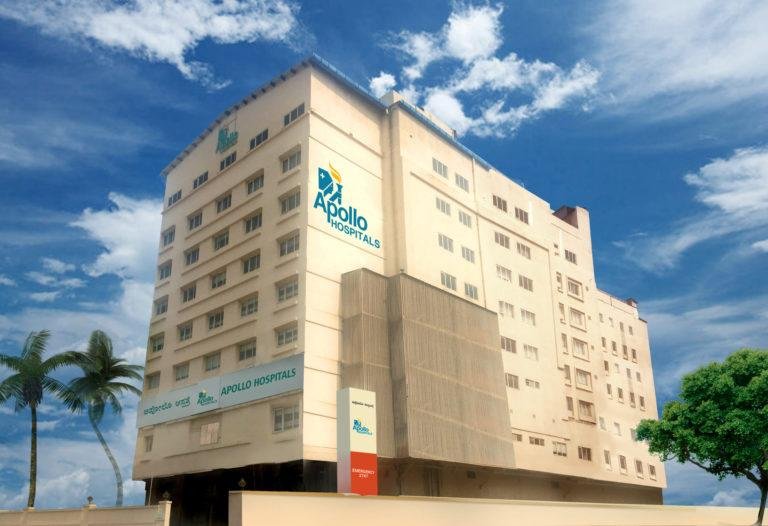
Abstract / Featured Snippet
Medical services in India have positioned the country as one of the world’s top destinations for medical tourism, attracting patients from over 150 countries annually. With world-class hospitals, internationally trained doctors, significantly lower treatment costs compared to Western countries, and a growing range of culturally sensitive services, India offers Arab patients high-quality care that is both accessible and affordable. This guide covers key hospitals, treatment types, visa procedures, cost comparisons, and practical tips for Arab visitors seeking healthcare in India.
Primary & Secondary Keywords
• Medical services in India Primary Keyword:
• Medical tourism India, best hospitals in India, India healthcare for Arabs
• affordable medical treatment India, cardiac surgery India cost
• India medical visa, JCI accredited hospitals India
• cancer treatment India, organ transplant India, Ayurveda India
• Arab patients India, medical tourism Gulf, India healthcare quality
Introduction: Why Medical Services in India Matter for Arab Audiences

Every year, thousands of patients from the Gulf Cooperation Council (GCC) countries — Saudi Arabia, UAE, Kuwait, Qatar, Bahrain, and Oman — travel to India for medical treatment. Some come for complex surgeries that are either unavailable or prohibitively expensive in their home countries. Others come for specialized cancer care, organ transplants, fertility treatments, or Ayurvedic wellness programs. The numbers are clear: India treated approximately 700,000 to 800,000 international patients in 2023-24, and Arab patients constitute one of the fastest-growing segments among medical tourists.
The reasons for this growing trend are compelling. India’s top private hospitals — Apollo, Fortis, Manipal, Aster, Medanta, and Max Healthcare — are internationally accredited, equipped with the latest medical technology, and staffed by specialists who are often trained in the United Kingdom, the United States, and Germany. Yet the cost of medical procedures in India is typically 60 to 80 percent lower than in Western countries, and often more affordable than comparable private care even within the Gulf region.
For Arab patients and their families, the prospect of traveling to India for medical care can feel unfamiliar or uncertain. Cultural differences, language concerns, distance, and unfamiliarity with Indian healthcare systems are natural hesitations. This guide, prepared by Yallahind — the platform dedicated to connecting Arab audiences with India — is designed to provide honest, accurate, and culturally aware information so that Arab patients can make confident, well-informed decisions about medical services in India.
Internal Link Idea: Yallahind — Travel Guide for Arab Visitors to India (Tourism category)
Purpose and Scope of This Article
This guide is designed for Arab patients, their families, and healthcare investors who want to understand India’s medical landscape clearly and practically. By reading this article, you will understand:
• Why India has become a global leader in medical tourism
• Which hospitals and cities are best suited for different types of treatment
• How medical services in India compare in cost to other countries
• How to apply for an Indian Medical Visa step by step
• What cultural and practical support is available for Arab patients in India
• Common mistakes to avoid when planning medical travel to India
This article covers medical tourism and healthcare services. It does not provide medical diagnoses or clinical advice. Always consult qualified doctors for any medical decisions.
Key Concepts and Definitions
Medical Tourism
Medical tourism refers to traveling to another country to receive medical treatment. Patients typically choose this route for cost savings, access to specialized care, shorter waiting times, or higher-quality facilities than available in their home country.
JCI Accreditation
JCI stands for Joint Commission International, the leading global healthcare accreditation body. JCI accreditation means a hospital has met rigorous international standards for patient safety, care quality, and operational excellence. India has among the highest number of JCI-accredited hospitals in Asia.
NABH Accreditation
NABH (National Accreditation Board for Hospitals & Healthcare Providers) is India’s national hospital quality standard, equivalent to international benchmarks. NABH-accredited hospitals are recognized as meeting high standards of patient care.
Medical Visa (M Visa)
India’s Medical Visa is a specific category of visa for international patients traveling to India for medical treatment. It allows a longer stay than a tourist visa and covers accompanying family members.
Ayurveda
Ayurveda is India’s ancient system of traditional medicine, using natural remedies, herbal treatments, dietary guidance, and therapeutic practices. It is increasingly sought by international patients for wellness, chronic disease management, and rehabilitation.
Historical Context: India’s Rise as a Medical Destination
India’s reputation as a center for healing is not new. For thousands of years, Ayurvedic medicine — the world’s oldest comprehensive health system — was practiced and refined across the Indian subcontinent. Medical knowledge was systematically compiled in classical texts such as the Charaka Samhita and Sushruta Samhita, with Sushruta (circa 600 BCE) widely credited as the father of surgery.
In the modern era, India’s healthcare transformation accelerated significantly following economic liberalization in 1991. Private investment poured into hospital infrastructure, medical education, and pharmaceutical manufacturing. By the 2000s, Indian hospitals had begun attracting international patients — initially from neighboring South Asian countries and Africa, and progressively from the Gulf, Europe, and beyond.
The government reinforced this growth by introducing the Medical Visa category, establishing the Medical Value Travel (MVT) program under the Ministry of Tourism, and partnering with international accreditation bodies. According to the Confederation of Indian Industry (CII), India’s medical tourism market was valued at approximately USD 9 billion in 2023 and is projected to reach USD 13 billion by 2026.
Academic Reference: For a scholarly overview of India’s healthcare development, see ‘The Politics of Health in India’ by Roger Jeffery (University of California Press), which traces the evolution of India’s public and private healthcare systems. For medical tourism dynamics, research by Professor C. Michael Hall published in the journal Tourism Management (Elsevier) provides peer-reviewed analysis.
Current Scenario: India’s Healthcare System in 2025-2026
Medical services in India today operate on a dual track: a large public health system serving general population needs, and a rapidly growing private sector that serves both Indian and international patients at world-class standards. For Arab medical tourists, the private hospital sector is the primary point of engagement.
Key Facts and Figures
| Indicator | Current Status (2025-26) | Significance |
| JCI-Accredited Hospitals | 30+ hospitals | Among the highest in Asia |
| NABH-Accredited Hospitals | 1,000+ | Nationwide quality assurance |
| Medical Tourism Market Value | USD 9-13 billion (2023-26) | One of the world’s fastest growing |
| International Patients (annual) | 700,000-800,000 | From 150+ countries |
| Cost Savings vs. Western Countries | 60-80% lower | Major driver of patient choice |
| Doctors Trained Internationally | Thousands | UK, USA, Germany, Australia trained |
| Arabic-Speaking Support Staff | Available at major hospitals | Growing fast in tier-1 hospitals |
Government initiatives supporting medical tourism include the Heal in India program, which promotes India’s medical capabilities globally; a simplified Medical Visa process available through Indian embassies in all GCC countries; and dedicated medical tourism facilitation desks at major international airports.
💡 Tip: The Indian government’s Invest India portal and the Ministry of Tourism’s ‘Incredible India Medical Value Travel’ website provide official, up-to-date information on accredited hospitals and patient support services.
Internal Link Idea: Yallahind — How to Apply for an Indian Visa from the UAE and Saudi Arabia (Tourism category)
Key Stakeholders and Institutions
Indian Healthcare Institutions
• Apollo Hospitals Group: India’s largest private hospital chain with 70+ hospitals; top destination for cardiac care, oncology, and organ transplants
• Fortis Healthcare: Major network specializing in cardiology, neurology, and orthopedics
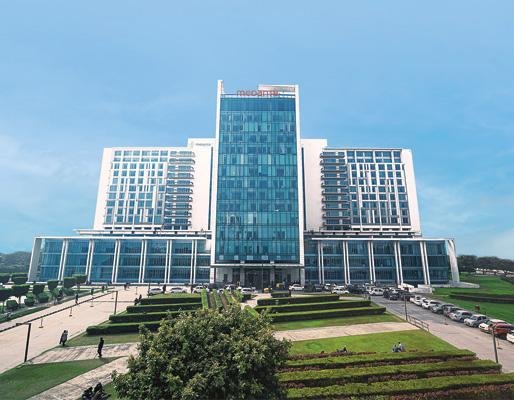
• Medanta — The Medicity (Gurugram): One of India’s largest multi-specialty hospitals, highly regarded for complex surgeries
• Aster Hospitals: Strong presence in Kerala and South India; well-established with Gulf patient communities
• Manipal Hospitals: Leading network across South and West India
• Max Healthcare: Prominent in Delhi-NCR for oncology and advanced surgery
Government Bodies
• Ministry of Health and Family Welfare (MoHFW): Regulates healthcare standards nationally
• Ministry of Tourism: Runs the Heal in India and Medical Value Travel programs
• NABH and NABL: Accreditation bodies for hospitals and labs
International Accreditation
• Joint Commission International (JCI): Global gold standard for hospital quality
• ISO-certified Diagnostic Centers: Ensuring laboratory accuracy and reliability
Top Medical Specialties in India for Arab Patients
India offers advanced treatment across virtually all major medical disciplines. The following are the areas where Indian hospitals have developed the strongest international reputations and where Arab patients most frequently seek care.
1. Cardiac (Heart) Care
India is a global leader in cardiac surgery. Procedures including bypass surgery, valve replacement, angioplasty, and heart transplants are performed at volumes and success rates comparable to the best hospitals in the world. The cost difference is dramatic — a coronary bypass surgery that costs USD 70,000-150,000 in the United States or USD 25,000-40,000 in the Gulf region can be performed at accredited Indian hospitals for USD 5,000-10,000.
Suggested Image: Cardiac ICU at Apollo or Medanta hospital — modern, high-technology setting
2. Oncology (Cancer Treatment)
India’s cancer care facilities are sophisticated, offering proton therapy, robotic surgery, immunotherapy, and comprehensive multidisciplinary oncology programs. Tata Memorial Hospital in Mumbai is Asia’s largest dedicated cancer center and a globally recognized institution. Private hospitals including Apollo, Fortis, and Max maintain comprehensive cancer institutes with the latest diagnostic and treatment technology.
3. Orthopedics and Joint Replacement
Joint replacement surgery — particularly hip and knee replacement — is one of the most frequently sought procedures by Arab medical tourists in India. Indian orthopedic surgeons have among the highest case volumes globally, contributing to excellent outcomes. Rehabilitation facilities within major hospitals are also of high quality.
4. Organ Transplants
India is one of a small number of countries where living-donor organ transplantation (kidney, liver) is performed at high volumes and with excellent outcomes. India’s Transplantation of Human Organs Act strictly regulates the process to ensure ethical practice. Waiting times at accredited centers are generally shorter than in many Western countries.
⚠️ Warning: Organ transplant regulations in India require strict legal documentation proving the relationship between donor and recipient. There are no shortcuts in this process. Always engage the hospital’s official transplant coordination team from the earliest stage.
5. Fertility Treatments (IVF and Reproductive Medicine)
India is among the world’s leading destinations for IVF (in-vitro fertilization) and other assisted reproduction treatments. Success rates at top Indian fertility clinics are competitive with international benchmarks, and costs are a fraction of those in Europe or North America. India has a well-developed regulatory framework for assisted reproduction.
6. Neurology and Neurosurgery
Complex brain and spine surgeries — tumor removal, deep brain stimulation, minimally invasive spinal procedures — are performed at major Indian hospitals with advanced imaging and robotic surgical systems. The NIMHANS Institute in Bengaluru is a nationally and internationally recognized center for neurology and psychiatry.
7. Ayurveda and Wellness Tourism
Ayurvedic treatment centers, particularly in Kerala, offer world-class traditional medicine programs for chronic conditions, stress, musculoskeletal disorders, neurological rehabilitation, and general wellness. These programs attract Arab patients seeking natural, holistic approaches alongside or as alternatives to conventional medicine. Panchakarma — a comprehensive Ayurvedic detoxification and rejuvenation program — is among the most sought-after treatments.
Suggested Image: Traditional Ayurvedic treatment room in Kerala — peaceful, natural setting
Internal Link Idea: Yallahind — Wellness Tourism in Kerala for Arab Visitors (Tourism category)
Cost Comparison: Medical Services in India vs. Other Countries
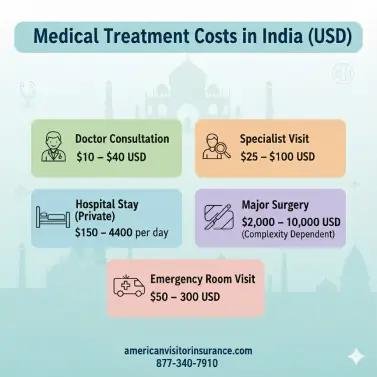
One of the most significant reasons Arab patients choose India for medical care is the substantial cost difference. The following comparison uses approximate figures based on data from the Confederation of Indian Industry (CII) and the Medical Tourism Association (MTA) reports.
| Procedure | India (USD) | UAE (USD) | UK (USD) | USA (USD) |
| Coronary Bypass Surgery | 6,000–10,000 | 18,000–30,000 | 25,000–40,000 | 70,000–150,000 |
| Knee Replacement (single) | 5,000–8,000 | 12,000–20,000 | 18,000–30,000 | 35,000–65,000 |
| Liver Transplant | 25,000–40,000 | 80,000–120,000 | 100,000–200,000 | 300,000–500,000 |
| IVF (one cycle) | 2,500–4,000 | 6,000–10,000 | 8,000–15,000 | 12,000–25,000 |
| Spinal Fusion Surgery | 5,000–9,000 | 15,000–25,000 | 20,000–35,000 | 50,000–120,000 |
| Proton Therapy (cancer) | 20,000–35,000 | N/A or very limited | 60,000–100,000 | 80,000–160,000 |
These figures are estimates and vary based on hospital, surgeon, patient condition, and duration of stay. They are intended to provide a general comparison, not a precise quotation. Always obtain a formal cost estimate from your chosen hospital before traveling.
Why Medical services in India Matter for Arab Patients, Families, and Investors
For Arab audiences specifically, medical services in India are not just a cost consideration — they represent a comprehensive care environment that is increasingly tailored to cultural needs:
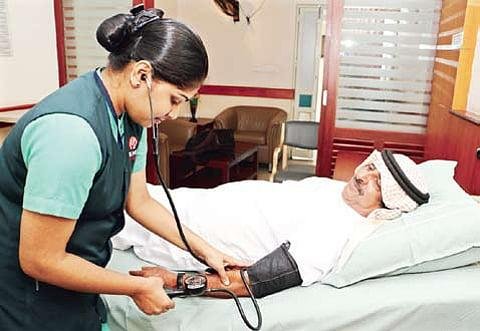
• Cultural and Religious Sensitivity: Major hospitals in India serving Arab patients now offer halal food in their patient meals, prayer rooms and direction-to-Mecca markers in patient rooms, Arabic-speaking patient coordinators, and culturally aware nursing staff. Cities like Chennai, Hyderabad, Mumbai, and Kochi have established Arab patient communities and services.
• Language Support: Most JCI-accredited hospitals maintain dedicated International Patient Departments (IPD) with Arabic-speaking staff. Hospital websites and patient communications are increasingly available in Arabic. Medical interpreters are available for consultations.
• Access to Advanced Treatments: Some treatments — particularly proton therapy for cancer, certain genetic therapies, and specialized organ transplants — may have very long waiting lists or be unavailable in GCC countries. India provides access to these treatments with shorter waiting times.
• Family Accommodation: Indian hospitals understand that Arab patients often travel with family members. Companion rooms within hospital facilities, nearby serviced apartments, and halal catering services are standard in hospitals that regularly serve Arab patients.
• Healthcare Investment Opportunities: For Gulf investors, India’s healthcare sector represents a high-growth opportunity. The Indian government allows 100% FDI in hospital development, and demand for quality healthcare infrastructure far exceeds current supply — particularly in tier-2 cities.
Top Medical Cities in India for Arab Patients
Chennai — The Medical Capital of India
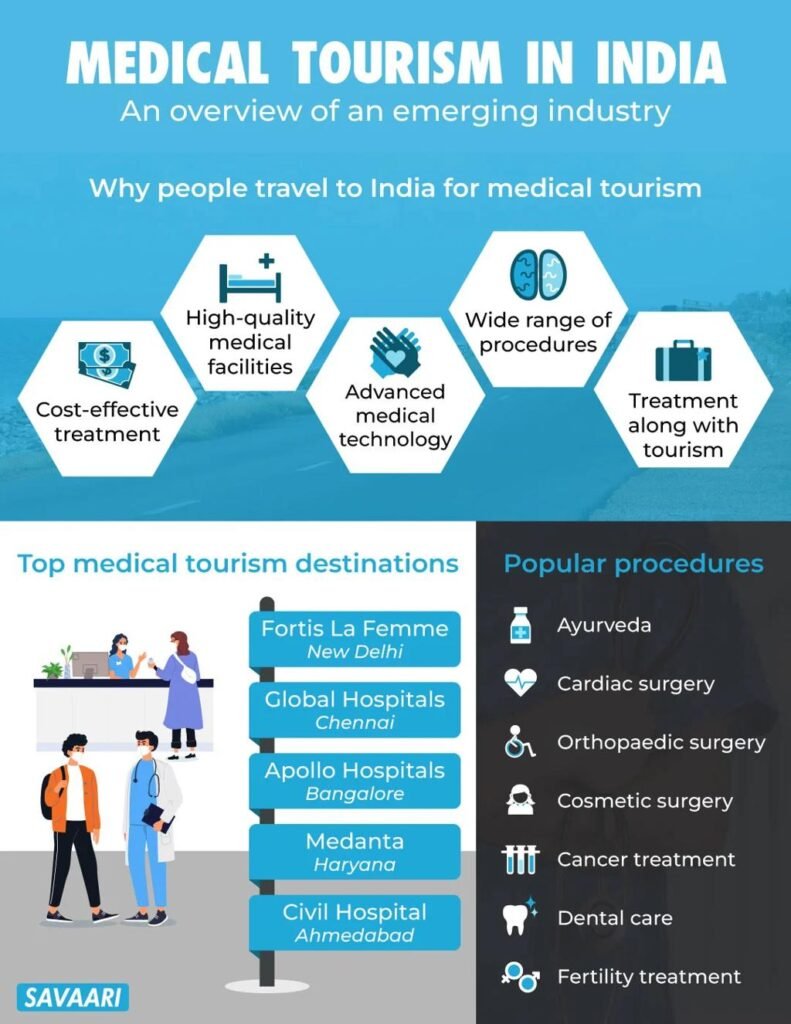
Chennai (formerly Madras) is widely regarded as India’s premier medical destination. The city hosts Apollo Hospitals’ flagship facility, Fortis Malar, and numerous specialized centers. Chennai accounts for approximately 45% of all medical tourists who visit India and is particularly well-known for cardiac surgery, organ transplants, and cancer care. The Tamil Nadu government actively promotes medical tourism.
Delhi-NCR (New Delhi, Gurugram, Noida)
The Delhi-NCR region is home to Medanta — The Medicity, Max Super Speciality Hospital, Fortis Memorial Research Institute (Gurugram), and numerous top-tier specialty centers. This region is particularly strong in neurosurgery, orthopedics, oncology, and complex multi-organ procedures.
Mumbai
Mumbai hosts Tata Memorial Hospital (Asia’s top cancer center), Kokilaben Dhirubhai Ambani Hospital, and Hinduja Hospital. It is a particularly strong destination for oncology, liver transplants, and complex surgical procedures. Mumbai’s cosmopolitan character means Arabic-language services are increasingly available.
Bengaluru
Bengaluru is home to Manipal Hospitals, Narayana Health, and a range of specialty centers. It is particularly known for cardiac surgery (Narayana Health’s founder, Dr. Devi Shetty, is internationally recognized for making cardiac surgery affordable and accessible), oncology, and pediatric care.
Kerala
Kerala is the primary destination for Ayurvedic treatment and wellness tourism. The state has a long-established tradition of hosting Arab patients — Kerala’s large Muslim population and strong cultural familiarity with Gulf communities make it especially welcoming. Major hospitals including Aster MIMS, Amrita Institute of Medical Sciences, and numerous Ayurvedic wellness centers serve international patients well.
IYallahind — Arab-Friendly Hotels Near Major Hospitals in India (Tourism category)
Step-by-Step: How to Plan to travel for Medical Services in India
Phase 1: Preparation from Your Home Country
1. Consult your doctor at home to get a clear diagnosis and all relevant medical records — including test reports, imaging scans, surgical history, and current medications — ideally translated into English.
2. Research accredited Indian hospitals that specialize in your condition. Look for JCI or NABH accreditation. Most major hospital websites have International Patient Departments with contact details.
3. Contact the International Patient Department (IPD) of your chosen hospital. Send your medical records for a preliminary assessment. Most top hospitals offer free preliminary evaluation and cost estimates within 2-5 business days.
4. Obtain a formal treatment plan and cost estimate in writing from the hospital. This document is needed for your Medical Visa application.
Phase 2: Visa Application for Medical services in India
5. Apply for an Indian Medical Visa (M Visa) at your nearest Indian Embassy or Consulate. In GCC countries, Indian Embassies are located in Riyadh, Jeddah, Abu Dhabi, Dubai, Doha, Kuwait City, Manama, and Muscat.
6. Required documents for Medical Visa: valid passport, visa application form, recent passport photograph, letter from the Indian hospital confirming appointment and treatment, medical records confirming diagnosis, financial proof of ability to cover treatment costs.
7. Medical Visa allows a stay of up to one year with multiple entries and is extendable. Attendant Visa (for accompanying family members) is issued concurrently.
💡 Tip: Apply for your Medical Visa at least 4-6 weeks before your planned travel date to allow for processing time. Emergency cases can sometimes be facilitated more quickly through the Indian Embassy’s medical urgency channel.
Phase 3: Travel and Arrival
8. Book direct or minimal-stopover flights. Major airports serving medical tourists include Chennai International, Indira Gandhi International (Delhi), Chhatrapati Shivaji Maharaj (Mumbai), and Kochi International.
9. Arrange airport pickup through the hospital. Most international patient departments arrange dedicated pickup with wheelchair assistance if needed.
10. Prepare Indian Rupees in advance (exchange at your home country’s airport or bank) or use your international card at Indian airport ATMs.
Phase 4: During Treatment
11. Upon arrival at the hospital, report to the International Patient Department. They will handle documentation, language coordination, and appointment scheduling.
12. Maintain your own copy of all reports, test results, and prescriptions — in English — throughout your treatment.
13. Keep your treating physician’s contact information and the hospital’s emergency number readily available at all times.
Phase 5: Recovery and Return
14. Discuss your full discharge plan, follow-up requirements, and any continuing medications with your doctor before leaving India.
15. Request a comprehensive medical summary and discharge report in English — this is essential for your home-country doctors to continue your care.
16. Ensure your travel insurance covers medical evacuation and that your health coverage at home will recognize Indian medical records for continued treatment.
⚠️ Warning: Do not travel home immediately after major surgery without your doctor’s explicit clearance. Most airlines have specific policies on flying post-surgery. Always obtain a ‘fit to fly’ certificate from your Indian doctor before departure.
Cultural Comfort for Arab Patients in India
Halal Food
India has one of the world’s largest Muslim populations — over 200 million people — making halal food widely available. Major hospitals serving Arab patients either provide halal meal options as standard or have partnerships with nearby halal restaurants for patient and companion meal delivery. In cities like Chennai, Hyderabad, Kochi, and Mumbai, Arabic-style halal food is available near most major hospitals.
💡 Tip: When contacting the hospital’s International Patient Department, specifically request halal meal confirmation for your stay. This is a routine request at hospitals accustomed to Arab patients.
Prayer Facilities
JCI-accredited hospitals serving Arab patients typically have dedicated prayer rooms or quiet meditation spaces. Prayer time reminders and qibla direction markers are available in patient rooms at many hospitals in Chennai and Kerala. Apps such as Muslim Pro work well in India and will locate the nearest mosque to your hospital.
Language
English is the medium of communication in all major Indian private hospitals. International Patient Departments have Arabic-speaking coordinators at most hospitals that regularly serve Gulf patients. For formal medical consultations, an interpreter can be arranged in advance through the hospital. Urdu — closely related to Arabic in script and vocabulary — is spoken by a significant portion of India’s Muslim population, which can be reassuring for Arabic speakers in certain cities.
Safety
India’s major cities and medical facilities are safe for international patients. Hospitals have 24-hour security. For general travel, follow standard precautions as you would in any large city: keep valuables secure, use hospital-recommended transportation, and stay in established accommodation near the medical facility.
Common Mistakes and Misunderstandings to Avoid
Mistake 1: Choosing a Hospital Based Only on Price
The cheapest option is not always the best. Focus on accreditation (JCI or NABH), the hospital’s specific experience with your condition, and the individual surgeon’s track record. A marginal cost saving is not worth compromising on quality for a significant medical procedure.
Mistake 2: Traveling Without Complete Medical Records
Arriving at an Indian hospital without comprehensive medical records — test results, imaging scans, prior treatment summaries — leads to costly and time-consuming repeat investigations. Prepare a complete English-language medical file before departure.
Mistake 3: Not Allowing Sufficient Recovery Time
Many patients book return flights too early, before they receive surgical clearance to fly. This creates unnecessary complications. Build flexibility into your travel plan, especially for major procedures. Your medical team will give you a recovery time estimate, and you should plan travel dates accordingly.
Mistake 4: Relying Only on Informal Agents
Medical tourism facilitators and agents can be helpful for logistics, but always verify that your chosen hospital is legitimate and accredited. Deal directly with the hospital’s International Patient Department for medical decisions. Only use agents who are formally affiliated with accredited hospitals.
Mistake 5: Neglecting Follow-Up Care Planning
Successful treatment does not end at discharge. Plan carefully for how your care will continue at home. Ensure you leave India with a comprehensive discharge summary, clear instructions, prescriptions for any continuing medications, and a follow-up timeline you have shared with your home-country doctor.
Mistake 6: Not Checking Insurance Coverage
Many health insurance policies in GCC countries do not automatically cover elective treatment abroad, or require pre-authorization. Check your policy before booking. Some specialized international health insurance plans do cover treatment in India and may even facilitate direct billing with the hospital.
Frequently Asked Questions (FAQ)
Q1: What is the best hospital in India for cardiac surgery?
Several hospitals are internationally recognized for cardiac care, including Apollo Hospitals (Chennai and Hyderabad), Medanta — The Medicity (Gurugram), Fortis Escorts Heart Institute (New Delhi), and Narayana Health (Bengaluru). The best choice depends on your specific condition, your surgeon’s expertise, and your geographic preference. Always request the hospital’s published outcomes data and your surgeon’s individual case volume.
Q2: How do I apply for a Medical Visa to India from the Gulf?
Apply at the Indian Embassy or Consulate in your country. You will need your passport, a letter from an accredited Indian hospital confirming your appointment, your medical records, and financial documents. The visa is typically processed within 3-7 working days for straightforward applications. E-Medical Visa is also available online for eligible nationalities. Check the current eligibility list at indianvisaonline.gov.in before applying.
Q3: Is it safe for Arab women to travel to India for medical treatment?
Yes. India’s major hospitals are professional environments with high standards of patient privacy and dignity. International Patient Departments are experienced in accommodating female Arab patients, including providing female doctors or female chaperones upon request. Major hotel accommodations near hospitals are safe and comfortable for female travelers. Modest dress expectations are easy to maintain in Indian urban environments.
Q4: How much money should I bring for a medical trip to India?
The amount depends entirely on your procedure and length of stay. Obtain a detailed cost estimate from your hospital before travel. As a general guideline: budget for the treatment cost plus 20% contingency, daily accommodation for your companion (typically USD 40-100 per night near hospitals), food, local transportation, and return travel. The hospital’s IPD team can help you calculate a realistic total budget.
Q5: Can I get Ayurvedic treatment in India as part of my medical trip?
Yes. Many patients combine conventional medical treatment with Ayurvedic wellness programs. Kerala is the primary destination for authentic Ayurvedic care. You can plan a post-treatment Ayurvedic recovery stay at reputable wellness centers in Kerala following hospital discharge — with your treating physician’s clearance. Ensure the Ayurvedic center is certified by the Kerala government’s Department of Ayurveda.
Q6: How long does the typical medical trip to India take?
Duration varies greatly by procedure. A joint replacement with rehabilitation typically requires 2-4 weeks. Cardiac surgery may require 2-3 weeks. Cancer treatment (if ongoing chemotherapy or radiation) may require multiple visits or an extended stay of 4-8 weeks per treatment cycle. Liver transplant and recovery can take 6-10 weeks. Always confirm the estimated timeline with your hospital’s IPD team well in advance of travel.
Q7: Are medications prescribed in India available in GCC countries?
Most medications prescribed at Indian hospitals are internationally generic drugs available in GCC pharmacies. However, some specialty medications may be India-specific brands. Before leaving India, ask your doctor to prescribe medications using their International Non-Proprietary Names (INN or generic names) rather than Indian brand names. This makes it easier to source equivalent medications in your home country.
Impact on Society and the Arab-India Healthcare Relationship
The flow of Arab patients to India for medical care has created a meaningful and mutually beneficial relationship between the two regions. For Indian healthcare providers, Arab patients represent a significant and growing part of the international patient population — driving investment in Arabic-language services, halal facilities, and culturally sensitive care protocols.
For Arab patients and families, India offers access to treatments, specialists, and technologies that may not be available or accessible at home. The resulting outcomes — lives saved, conditions managed, health restored — are the most tangible measure of this relationship’s value.
For the broader Arab-India relationship, healthcare is a powerful connector. Families who have experienced the care of Indian doctors and the hospitality of Indian medical staff carry back with them a personal, positive connection to India — one that transcends statistics and policy and lives in human experience.
Conclusion: India as Your Partner in Health
India’s emergence as a global leader in medical services is built on genuine foundations: exceptional medical talent, significant investment in technology and infrastructure, a commitment to international quality standards, and an increasingly patient-centered approach that is growing more culturally aware with each passing year.
For Arab patients — whether you are seeking a life-saving cardiac surgery, a knee replacement to restore your mobility, a fertility treatment, a cancer therapy, or a restorative Ayurvedic wellness experience — India offers options that combine quality, affordability, and care. The medical ecosystem is prepared to serve you: from the moment you contact a hospital’s International Patient Department to the day you return home with your health restored.
The decision to travel abroad for medical care is never taken lightly. It requires research, planning, trust, and courage. This guide is designed to help Arab patients approach that decision with accurate information and practical clarity. India’s doctors, hospitals, and patient coordinators are ready to serve you with professionalism and respect.
Yallahind is here to support Arab audiences at every step of their India journey — in health, education, business, and travel. Explore our full range of guides and resources to make your India experience informed, confident, and rewarding.
Explore More India Guides on Yallahind
Healthcare | Business | Education | Tourism | Culture
Disclaimer
This article is for informational and awareness purposes only and does not constitute medical, legal, or financial advice. All data cited reflects the best available information as of April 2026. Medical capabilities, costs, and regulations change. Always consult qualified medical professionals before making treatment decisions. Yallahind is not responsible for the quality of medical services provided by any third-party hospital or provider.
© 2026 Yallahind. All Rights Reserved.